Every year, NeoCon + Design Days offers a glimpse into what’s next for commercial interiors. It’s where manufacturers unveil new products, designers exchange ideas, and the industry gathers to explore the future of workplace design.
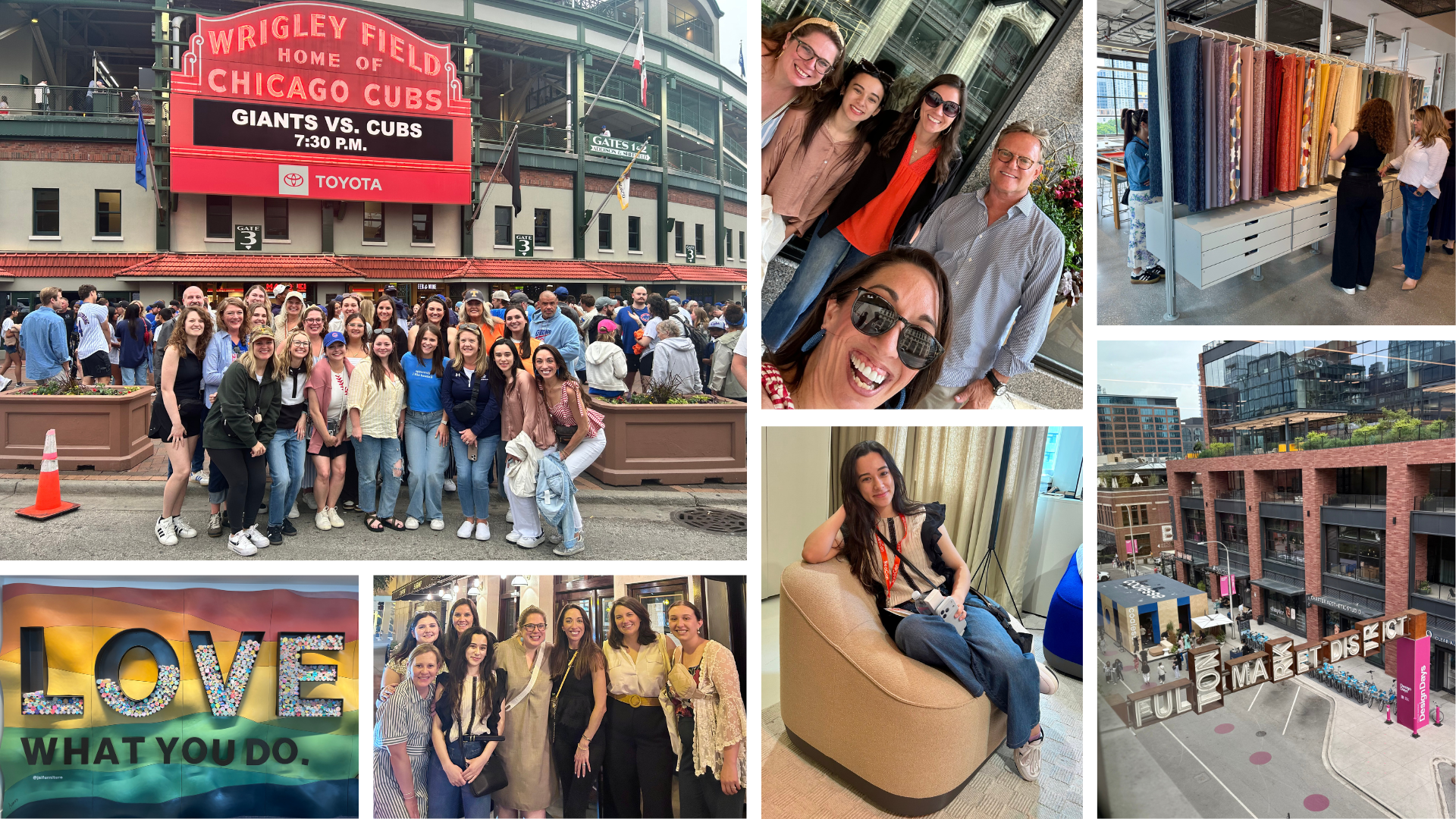
This year, our team spent several days exploring THE MART and Fulton Market alongside customers and industry partners—touring showrooms, experiencing new product launches, reconnecting with manufacturers, and sharing conversations about the future of the workplace.
Between the time spent together and the ideas we encountered along the way, one thing became clear: the products were impressive—but it was the ideas behind them that left the biggest impression.
1. Great Design Is Becoming an Experience
One of the biggest surprises wasn’t a single product, it was how thoughtfully manufacturers designed their showrooms.
The OFS showroom stood out not because of one standout product, but because of how every detail—from materials and finishes to lighting and layout—worked together to create a cohesive experience. Inspired by a local artist’s work, the showroom demonstrated how intentional design can communicate a brand’s values just as effectively as the products themselves.
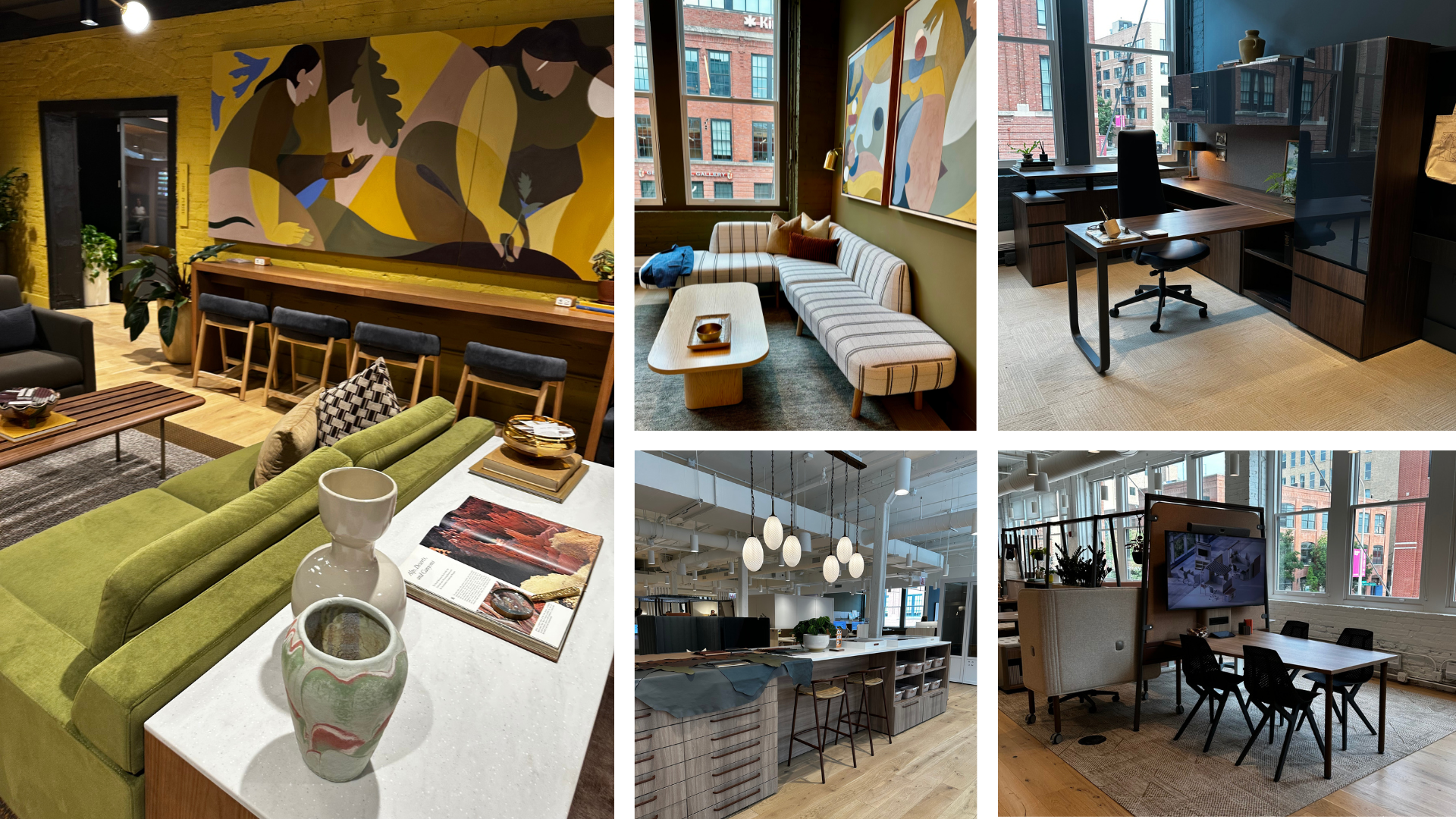
HON’s newly opened Fulton Market showroom created a similar impression. The space felt inspiring, inviting visitors to experience how products support collaboration, focus, and everyday work. It demonstrated that today’s showroom is no longer just a place to display products, it’s an extension of a manufacturer’s brand, culture, and vision.
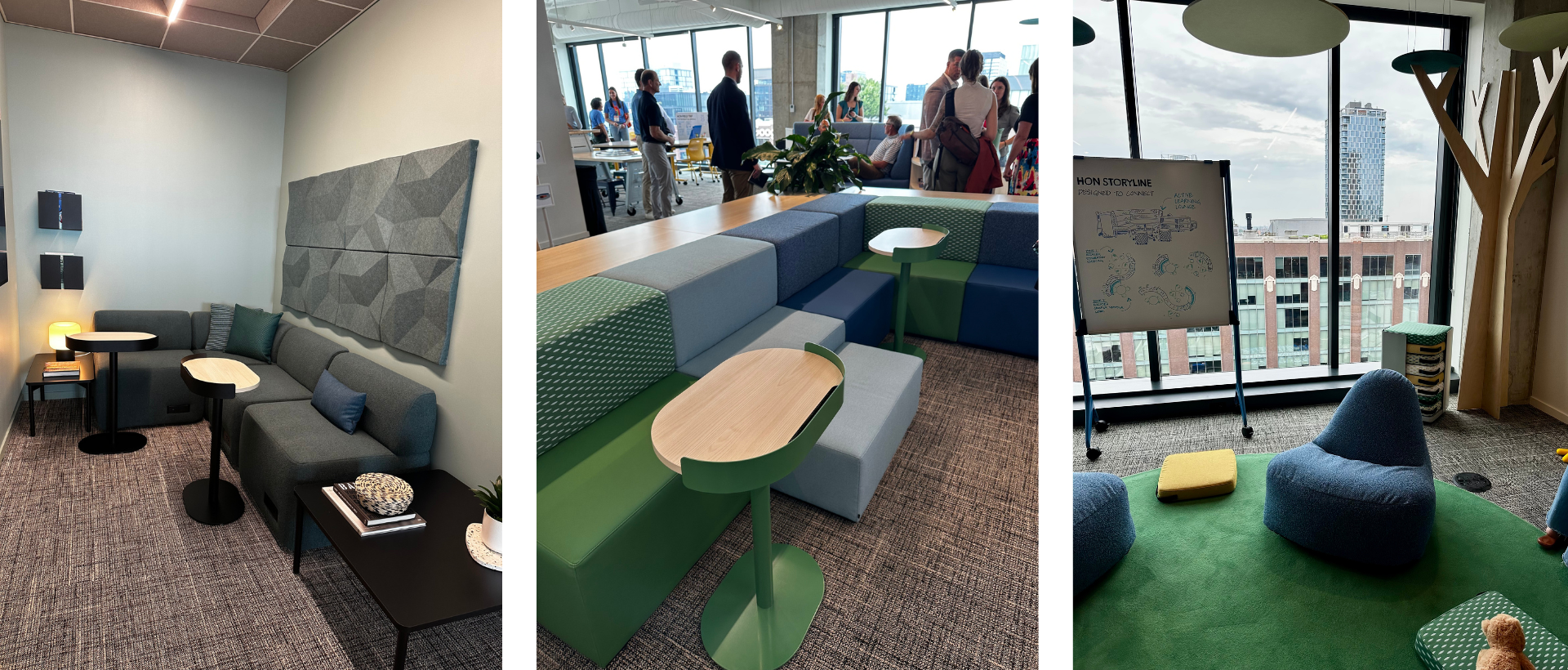
These experiences reinforced an important reminder: the environments we create are just as influential as the products within them.
“The best showrooms didn’t just showcase products, they told a story.”
Why it matters: Whether designing a workplace, healthcare environment, or learning space, the most successful interiors create experiences that connect with people on both a functional and emotional level.
2. Commercial Spaces Continue to Borrow from Residential Design
Another consistent observation was how much commercial interiors continue to embrace the warmth and comfort traditionally associated with residential spaces.
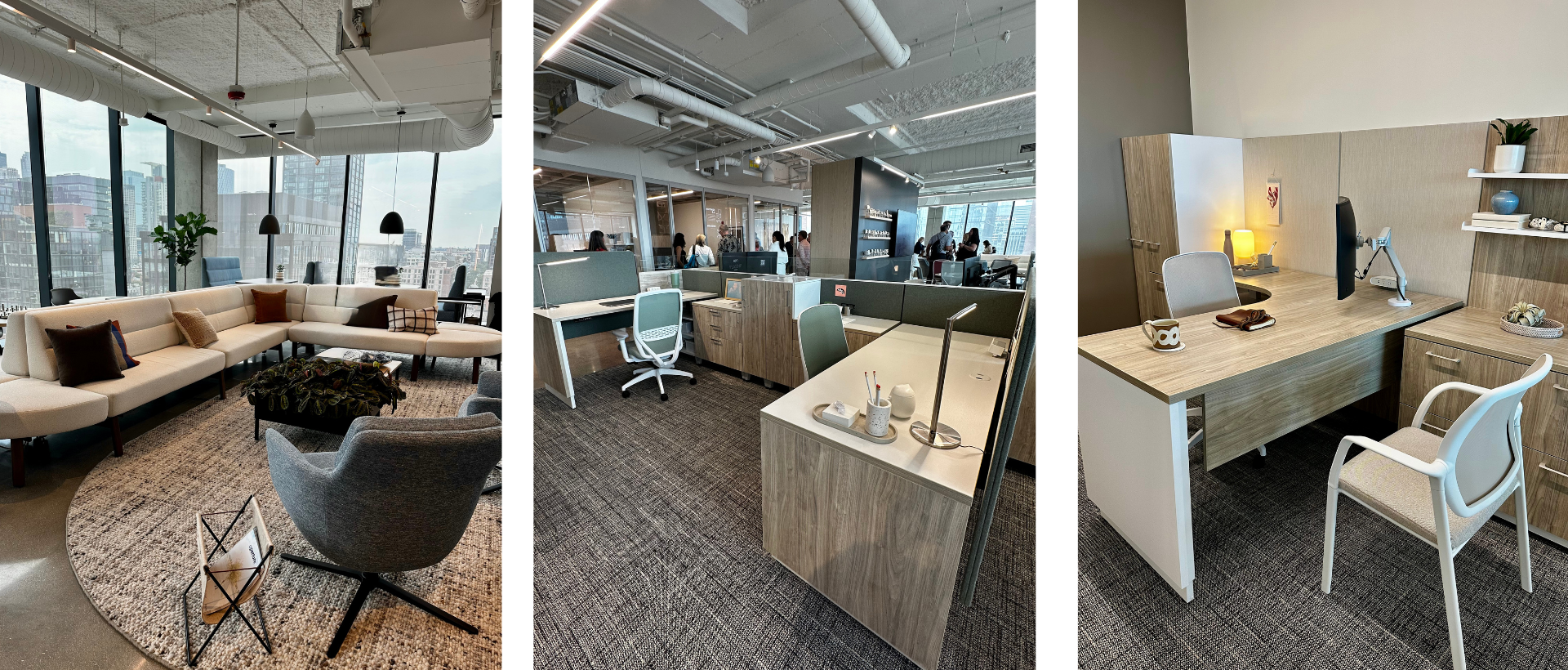
Across showroom after showroom, we saw softer silhouettes, inviting lounge settings, layered textiles, rich upholstery, rounded forms, and thoughtfully curated material palettes. Deep burgundies, muted greens, mustard accents, and warm jewel tones replaced the “greige” that have we have seen in recent years.
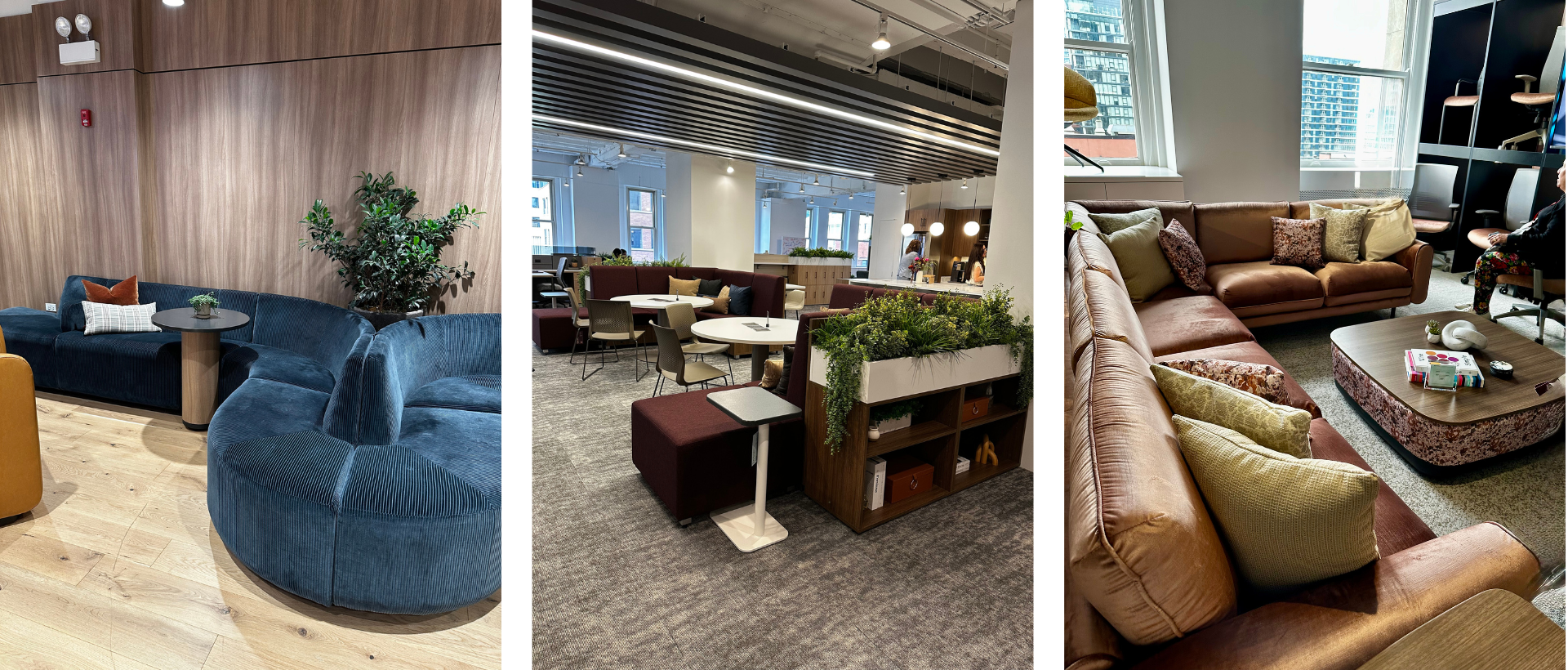
Manufacturers are intentionally designing workplaces that encourage people to stay, collaborate, and feel comfortable throughout the day.
Several members of our team specifically noted the attention given to lounge seating—comfortable cushions, tactile fabrics, and inviting spaces that felt more like hospitality environments than traditional offices.
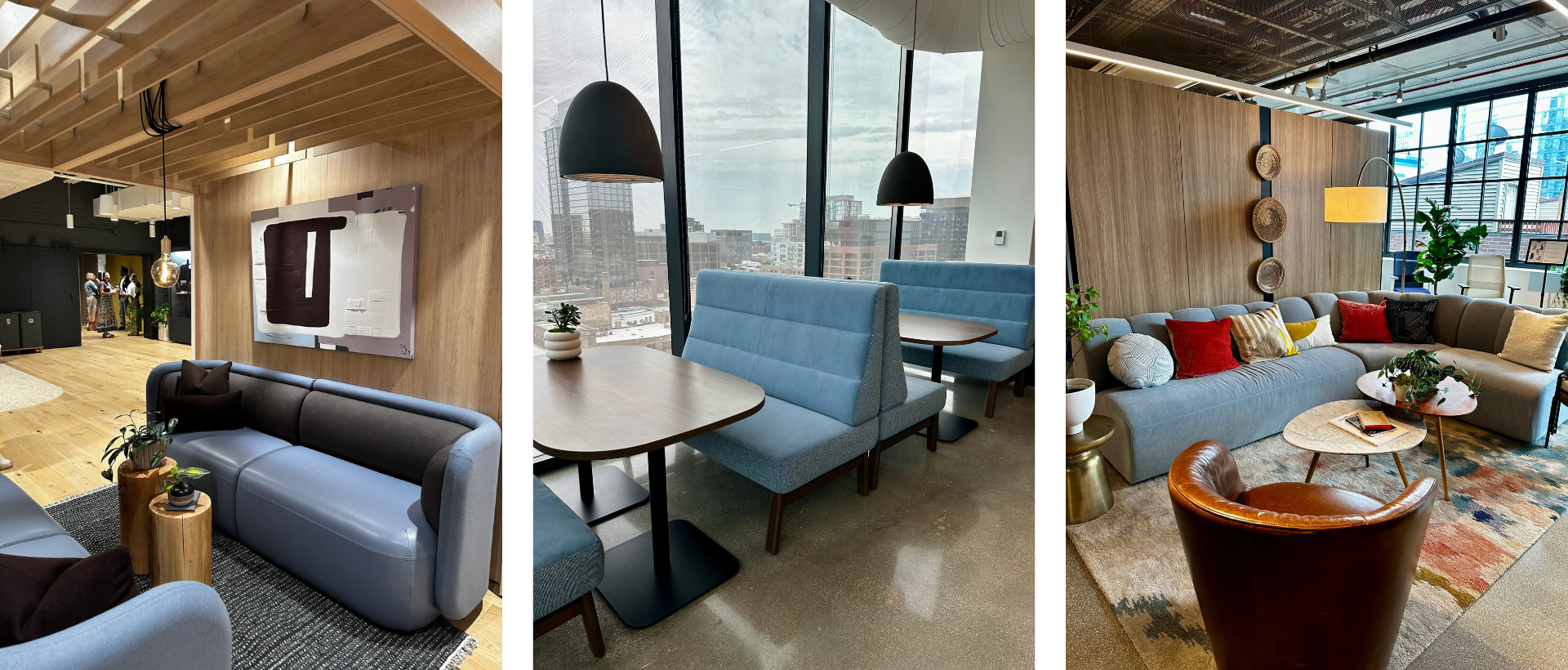
“Comfort is no longer a workplace amenity, it’s an expectation.”
Why it matters: Organizations continue asking employees to spend meaningful time in the workplace. Spaces that feel welcoming, comfortable, and thoughtfully crafted are increasingly becoming an important part of that experience.
3. Materials, Texture & Acoustics Are Becoming Design Features
One of the most exciting shifts we observed was the growing role of materials that do more than perform a single function.
Acoustic products, architectural surfaces, and layered textures are no longer simply solving technical challenges—they’re becoming defining elements of workplace design.
Turf showcased how acoustic solutions have evolved beyond performance alone. Rather than serving as purely functional sound control, these applications introduced texture, depth, and visual interest while supporting occupant comfort.
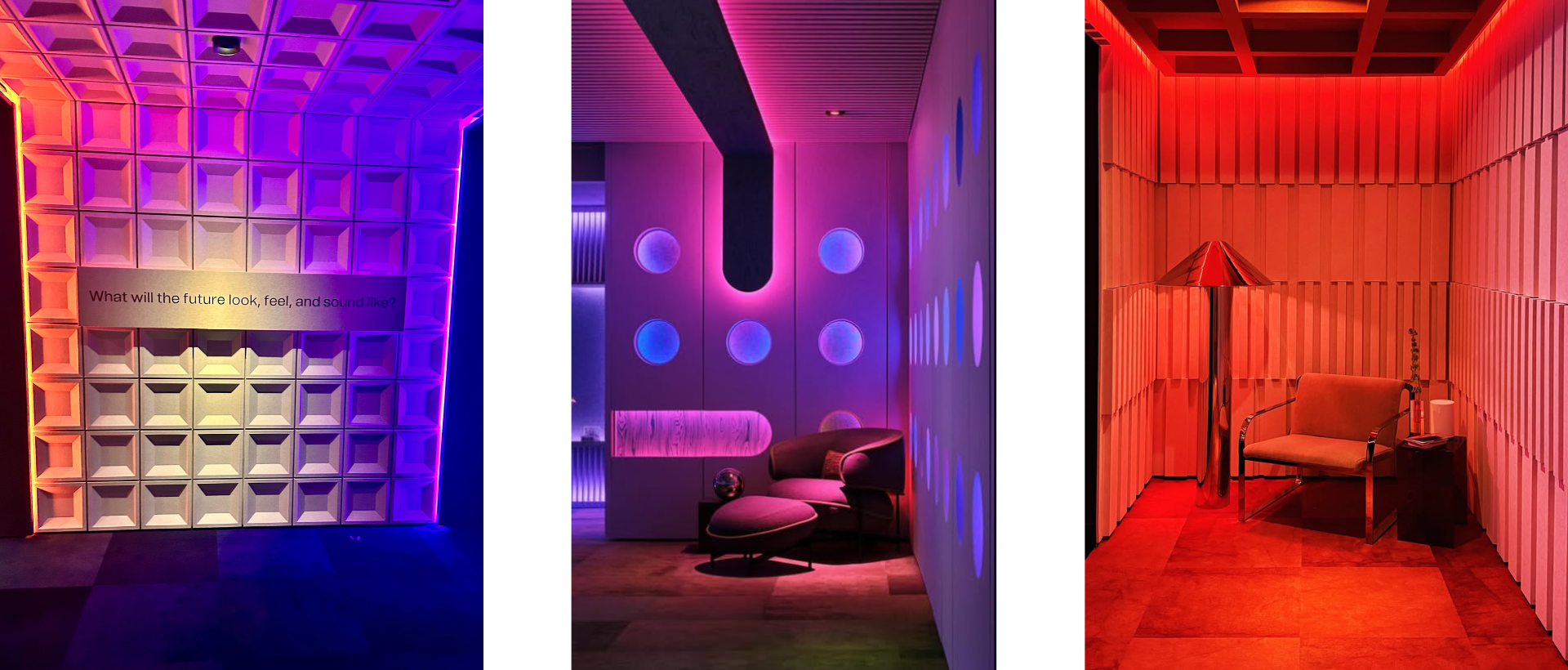
Across other manufacturers, we noticed a similar emphasis on materiality. Rich textiles, layered finishes, terrazzo surfaces, and tactile elements invited visitors to engage with products beyond what they could see.
The result was an environment where function and aesthetics worked together seamlessly.
“The most memorable materials didn’t just finish a space—they helped define it.”
Why it matters: As organizations seek workplaces that support wellbeing, collaboration, and focus, materials that contribute to both performance and experience will continue playing a larger role in commercial interiors.
4. Innovation Is Solving Real Workplace Challenges
The conversation around hybrid work has shifted. Rather than asking whether employees will work remotely, organizations are focused on creating environments that support the many ways people work throughout the day.
Across the showrooms, manufacturers showcased products designed to make collaboration more intuitive, spaces more adaptable, and transitions between individual focus, team meetings, and virtual engagement more seamless. Innovation wasn’t about adding more technology—it was about thoughtfully improving how people experience the workplace.
Several introductions stood out:
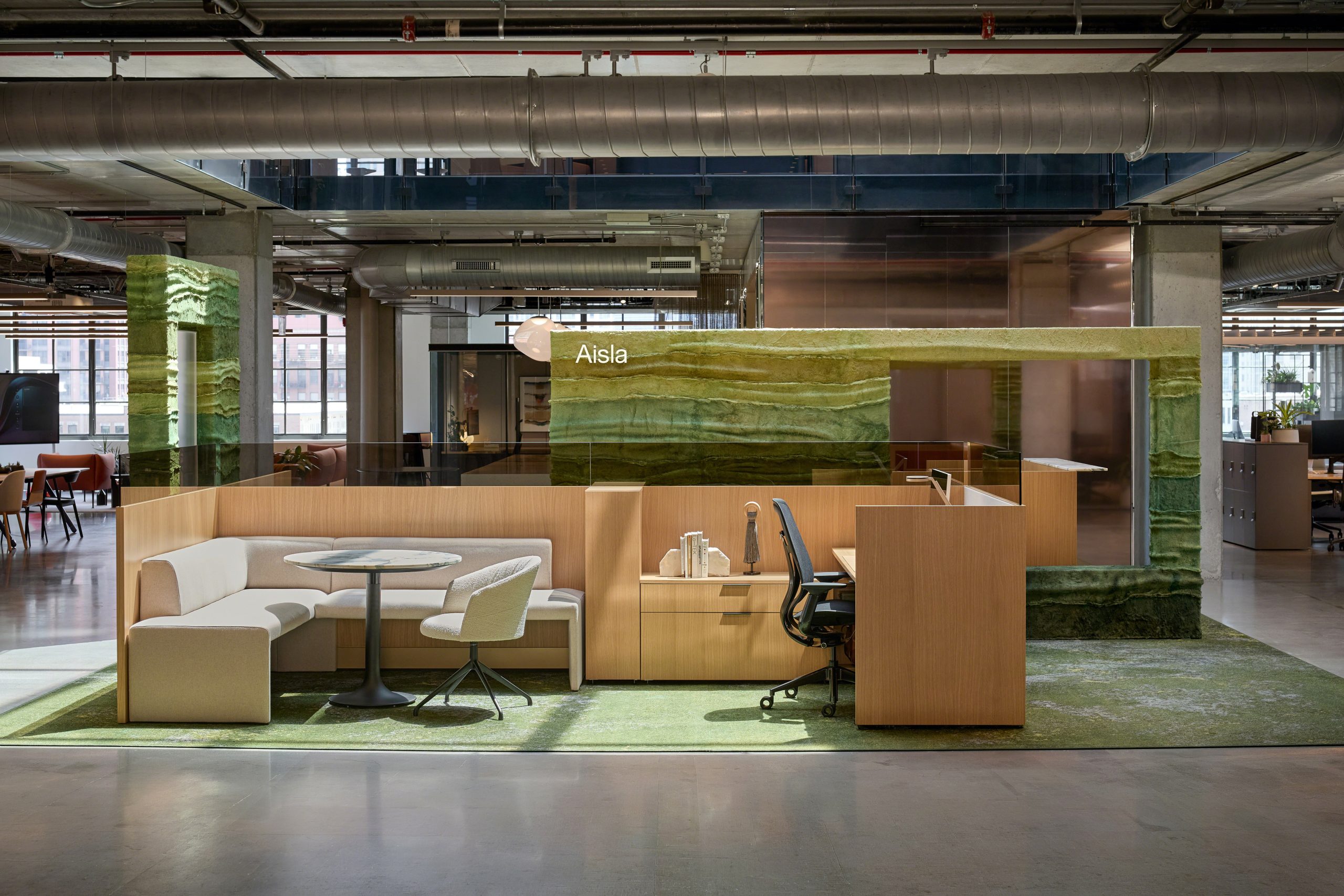
Steelcase Aisla demonstrates how workstation design continues to evolve by bringing custom-level craftsmanship and refined materiality to scalable systems, creating cohesive environments that balance beauty with everyday performance. By elevating the daily workplace experience, Aisla creates spaces that feel more welcoming, inspiring, and supportive of employee well-being without compromising flexibility or function.
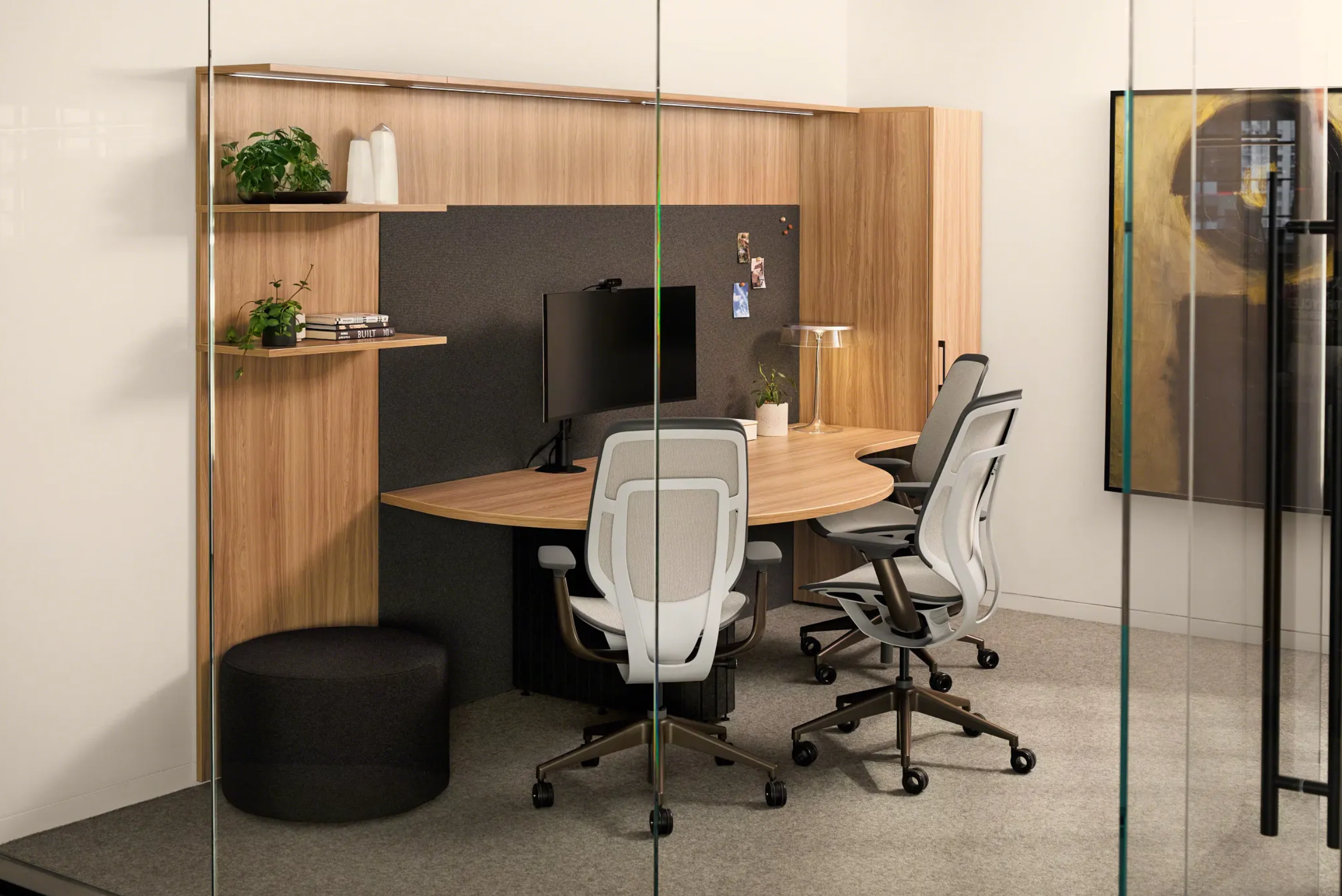
Steelcase Ocular™ Shift reflects how workplace innovation is evolving by transforming small enclosed rooms into flexible spaces that support both focused work and hybrid collaboration throughout the day. Its adaptable design helps people transition effortlessly between individual concentration and connected teamwork, making every meeting space more intuitive, inclusive, and productive.
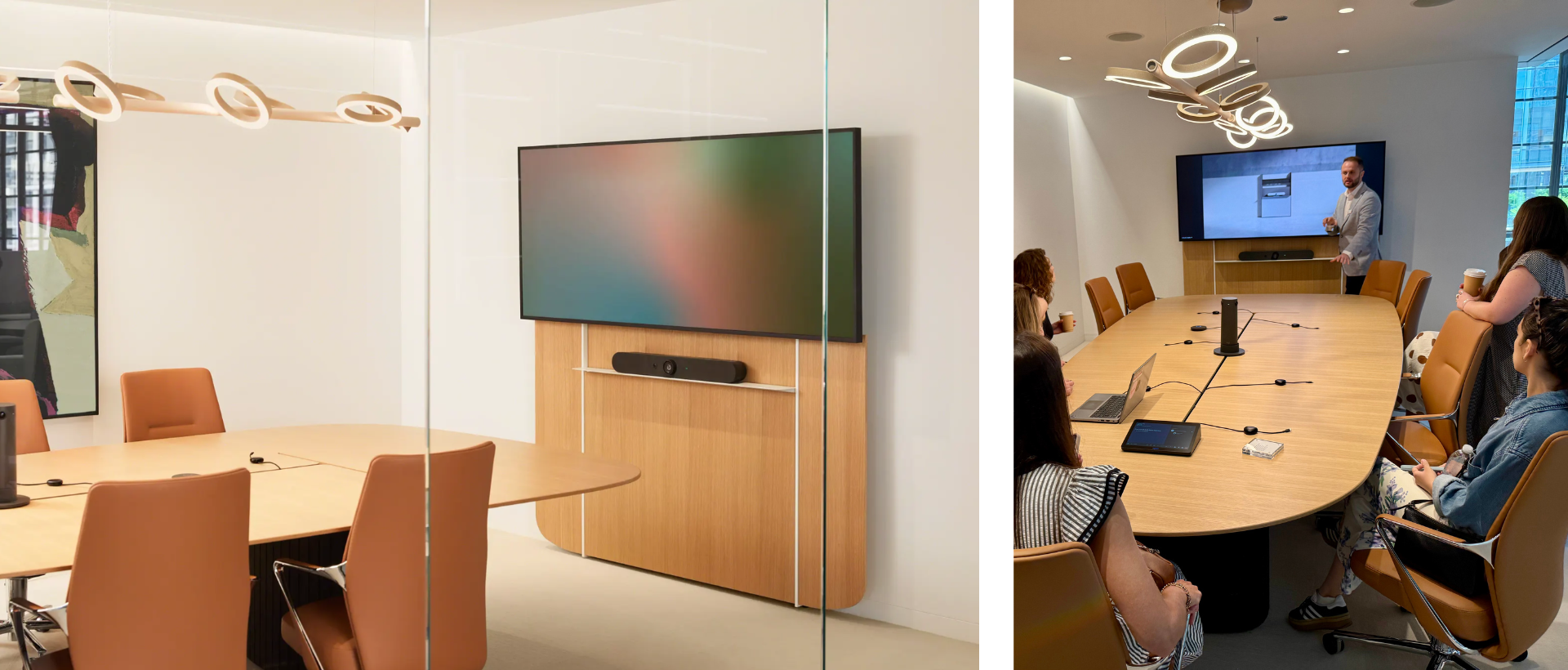
Steelcase Ocular™ Frame demonstrates how technology can become part of the architecture rather than an afterthought, creating adaptable hybrid meeting spaces that seamlessly integrate displays, cameras, and AV technology while allowing the environment to evolve over time. By removing technology as a barrier, Ocular Frame enables more natural collaboration, helping people stay focused on ideas, conversations, and meaningful connection rather than the tools themselves.
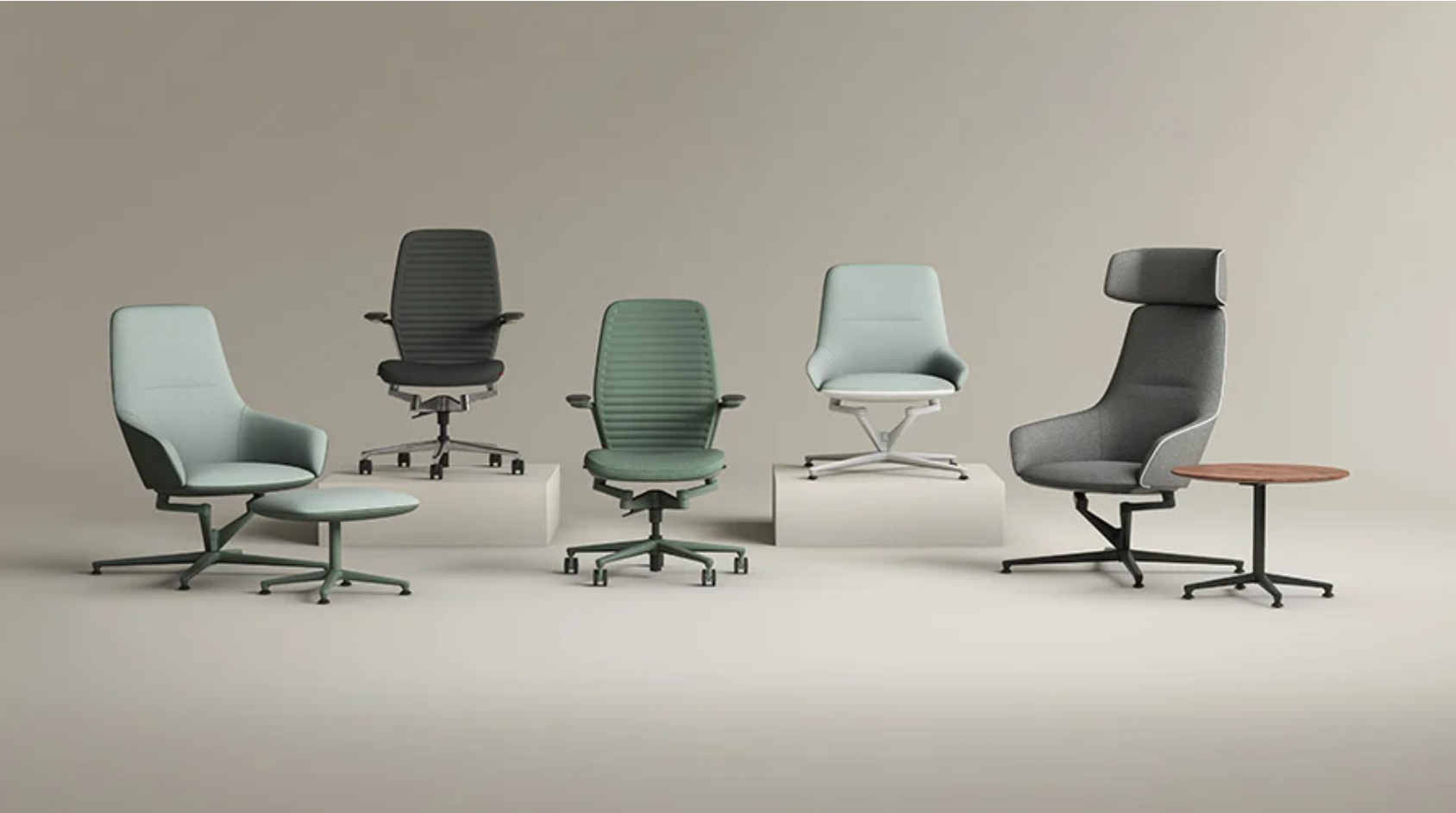
KI Kiaura Collection, recognized with multiple Best of NeoCon Gold awards, reimagines workplace seating through motion-responsive design that supports natural movement, comfort, and human performance throughout the workday. Its proprietary Cognetic Technology uses a gravity-responsive, multi-axis motion system to continuously adapt to subtle shifts in posture, providing a seating experience that feels effortless, intuitive, and restorative.
Inspired by what you saw at NeoCon? So are we. If any of these trends, products, or ideas sparked possibilities for your next project, we’d love to continue the conversation. Our team is here to help translate what’s new into solutions that support your design vision, your clients, and the way people work, learn, and heal.